- We are Open Mon - Fri 9:00am -17:00pm
- e-mail us info@windekfisheries.com
- Our Address 19 Redemption way, Trans Amadi Port-Harcourt


he Hidden Cost of Cheap Fish: Why the Lowest Price Is Not Always the Best Deal
- windekfisheries
- No Comments
Every fish buyer wants a good price. That is normal. The challenge is knowing whether a low purchase price will actually translate into a better business outcome. A fish product can look cheap when you buy it and become expensive by the time you sell it. The difference often comes down to factors such as quality, storage, demand, turnover, handling and supplier reliability. For wholesalers, retailers and food-service businesses, understanding these factors can make a significant difference to profitability. A Low Purchase Price Can Be Misleading Imagine two buyers purchasing similar products. Buyer A gets the lower price. Buyer B pays slightly more. At first glance, Buyer A appears to have won. But what happens after the purchase? If Buyer A’s stock moves slowly, requires longer storage and eventually has to be discounted, the initial price advantage can disappear. Meanwhile, Buyer B may sell faster, maintain stronger margins and recover their capital sooner. This is why the cheapest purchase is not always the most profitable purchase. What Really Determines the Cost of Fish? The purchase price is only the starting point. Before placing a large order, buyers should consider several factors. 1. Product Quality Quality directly influences customer satisfaction and repeat purchases. If customers are unhappy with the product, a lower buying price provides little advantage. For businesses that depend on repeat customers, consistent quality is particularly important. 2. Storage Costs Fish requires appropriate storage conditions. The longer inventory remains in storage, the more resources the business has committed to that stock. A product that was expected to sell quickly but remains in storage for weeks can put unnecessary pressure on working capital. 3. Stock Turnover Fast-moving inventory can be more valuable than inventory purchased at the lowest possible price. If a product sells quickly, the business can recover its capital and reinvest it into the next purchasing cycle. Slow-moving stock can have the opposite effect. 4. Customer Demand Before buying large quantities, businesses should understand what their customers actually want. A low-priced product has limited value if there is insufficient demand for it. Understanding customer preferences can help businesses make more informed purchasing decisions and reduce the risk of holding unwanted stock. 5. Selling Price and Margin A good purchase should ultimately support a healthy selling margin. Buyers should consider the expected selling price, not just the purchase price. The important question is not simply: “How much did I save when buying?” It is: “How much can this purchase realistically contribute to my profit?” Why Supplier Reliability Matters Price is only one part of a supplier relationship. Businesses also need consistency. A reliable supplier can help buyers plan inventory, maintain product standards and serve their customers more confidently. For businesses looking for dependable seafood supply, Windek Fisheries serves wholesalers, retailers and food-service operators with a focus on quality and consistency. A Simple Way to Evaluate Your Next Purchase Before placing a large fish order, ask yourself these six questions: 1. Is the product good enough for my customers? 2. How quickly am I likely to sell it? 3. What will storage cost me? 4. Is there enough demand for the product? 5. What selling price can I realistically achieve? 6. Can I rely on the supplier for consistent quality and supply? If the answers make sense, the purchase is probably worth considering. If the only attractive factor is the price, it may be worth thinking twice. Cheap vs. Good Value There is an important difference between cheap and good value. Cheap means you paid less. Good value means the purchase delivers a strong overall business outcome. For a fish trader, good value could mean: Better product quality Faster stock turnover Fewer customer complaints Less unnecessary discounting More predictable margins Reliable supply That is ultimately what buyers should be looking for. Final Thought The goal of purchasing should not simply be to buy fish at the lowest possible price. The goal is to make a purchase that supports the entire business. Because the real cost of fish is determined by what happens after you buy it. Sometimes the cheapest fish is the most expensive decision. At Windek Fisheries, we believe successful seafood supply is built around quality, consistency and reliability, not price alone. Ready to source your next order? Talk to Windek Fisheries about your fish supply needs. Website: windekfisheries.comEmail: info@windekfisheries.com
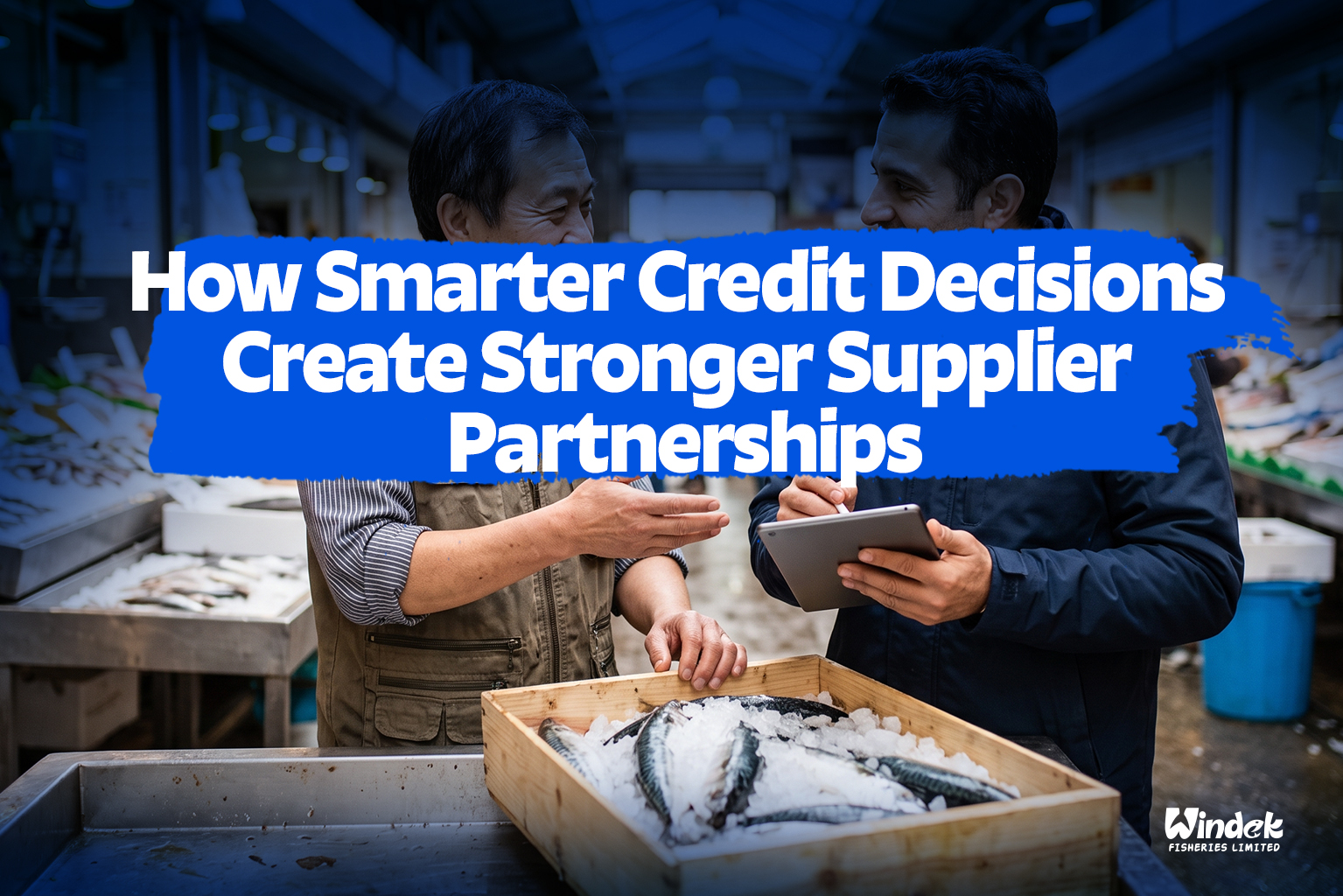
How Smarter Credit Decisions Create Stronger Supplier Partnerships
- windekfisheries
- No Comments
Why Credit Is More Than a Financial Tool When businesses think about credit, the discussion usually centers on financing. How much credit is available? How quickly can it be accessed? What are the repayment terms? While these questions are important, they overlook a deeper reality. Credit is also a relationship tool. The way a business manages credit influences how suppliers view its reliability, professionalism, and long-term potential. In many cases, responsible credit management strengthens supplier partnerships just as much as timely payments. Every Credit Decision Builds or Weakens Trust Each time a supplier extends credit, they are making a decision based on confidence. That confidence is influenced by more than financial statements. Suppliers pay attention to behaviours such as: Honouring agreed payment schedules Communicating openly when circumstances change Purchasing responsibly Demonstrating consistency over time These actions create predictability. And predictability reduces business risk. Why Supplier Partnerships Matter Strong supplier relationships offer advantages beyond access to products. Businesses with trusted supplier partnerships often benefit from: More consistent inventory availability Greater flexibility during market disruptions Better collaboration on future planning Stronger operational stability In industries such as seafood distribution, where supply conditions change rapidly, these advantages can significantly improve business performance. Responsible Credit Management Creates Mutual Value Effective credit management benefits both buyers and suppliers. For buyers, it provides: Improved cash flow flexibility Better inventory planning Greater purchasing confidence For suppliers, it creates: More predictable cash flow Reduced financial uncertainty Higher confidence in future transactions The result is a stronger business relationship built on shared success. Credit Should Strengthen Relationships Organizations such as the International Finance Corporation emphasize that strong financial management contributes to resilient supply chains and sustainable business growth. Businesses that treat credit as part of relationship management often experience greater long-term stability than those that view it only as a financing solution. Practical Ways to Build Stronger Supplier Partnerships Businesses can strengthen supplier confidence by: Maintaining clear communication Paying according to agreed terms whenever possible Addressing potential challenges early Aligning credit usage with realistic cash flow projections Viewing suppliers as strategic partners rather than short-term vendors These habits create trust over time. Conclusion Credit is often measured in numbers. But its greatest value is measured in confidence. Businesses that manage credit responsibly build stronger supplier partnerships. Those partnerships improve stability, increase flexibility, and create opportunities that extend far beyond individual transactions. In the seafood industry, sustainable growth is rarely built on financing alone. It is built on trust, consistency, and long-term collaboration. Internal Linking Strategy Naturally link this article to: Home – https://windekfisheries.com/ Products – https://windekfisheries.com/products/ Services – https://windekfisheries.com/services/
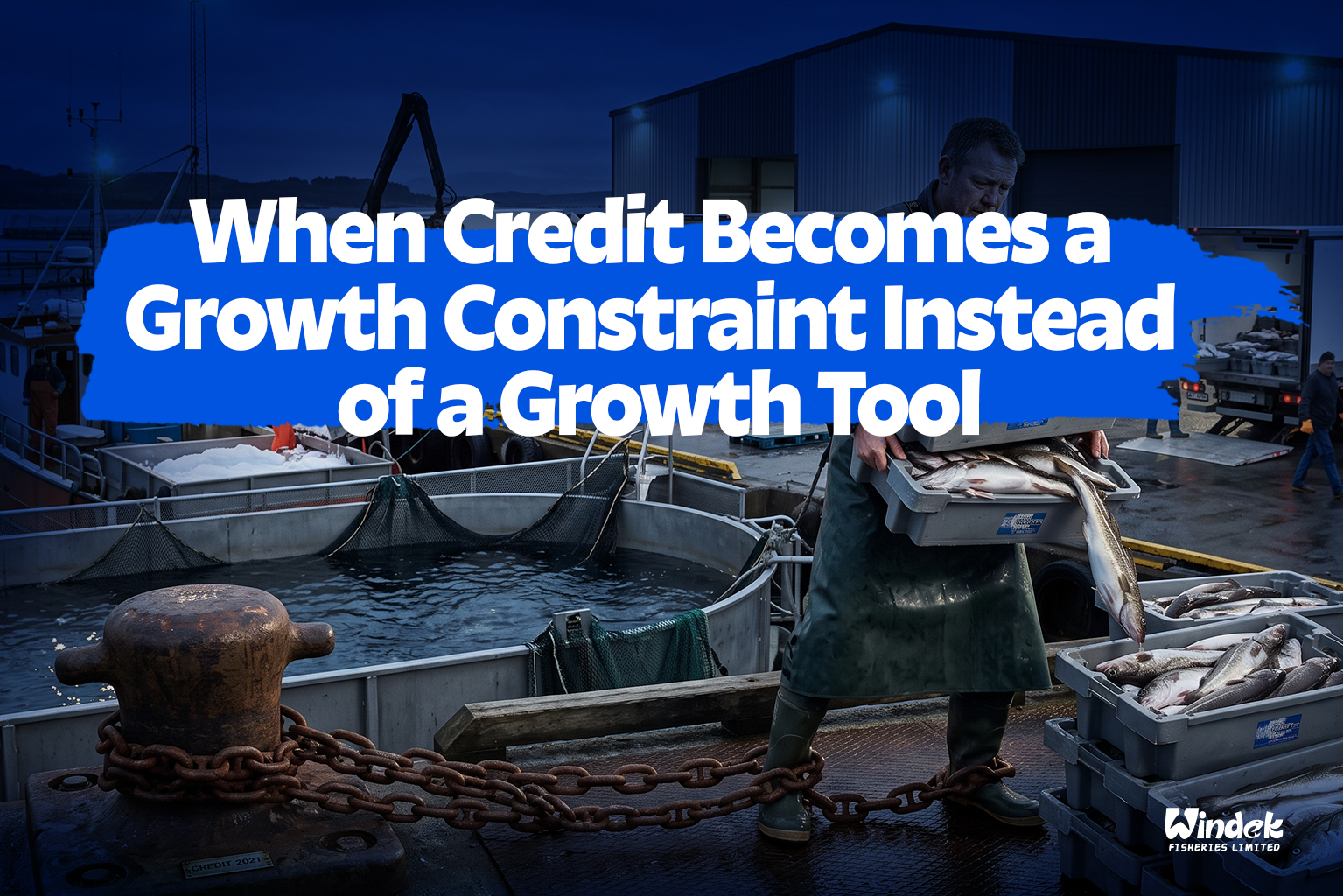
When Credit Becomes a Growth Constraint Instead of a Growth Tool
- windekfisheries
- No Comments
When Credit Becomes a Growth Constraint Instead of a Growth Tool For many businesses, getting access to credit feels like reaching an important milestone. It provides working capital. It allows larger purchases. It supports day-to-day operations. In the early stages of a business, credit often acts as a powerful growth accelerator. But as businesses expand, something unexpected can happen. The same credit structure that once supported growth can quietly begin to limit it. This transition often goes unnoticed until growth starts to slow. Credit Is Meant to Grow With Your Business Every business evolves. As sales increase, so do operational demands. More inventory is needed. Larger customer orders must be fulfilled. Supplier commitments become more significant. Cash flow becomes more complex. Yet many businesses continue operating with the same financing structure they established years earlier. While the business has grown, its credit capacity has not. This creates a gap between operational demand and financial capability. The Warning Signs Businesses rarely recognize the problem immediately. Sales continue to increase, making everything appear healthy. However, beneath the surface, common warning signs begin to emerge. 1. Larger Orders Become Difficult to Finance Opportunities exist, but available working capital cannot support them. 2. Inventory Decisions Become More Conservative Instead of purchasing based on market opportunity, businesses buy only what existing cash allows. 3. Growth Creates More Financial Pressure Higher revenue does not automatically improve liquidity. Additional sales often require additional financing. 4. Cash Flow Feels Tighter Than Ever Ironically, many growing businesses experience greater cash flow pressure than they did when they were smaller. Why This Happens Growth increases complexity. Businesses must finance: Larger inventory levels Longer operating cycles More customers Higher logistics costs Increased working capital requirements If financing does not expand alongside operations, growth eventually reaches a ceiling. The issue is not poor sales. It is insufficient financial capacity. Why This Matters in Fish Trading The seafood industry is particularly sensitive to working capital. Inventory moves quickly. Market prices fluctuate. Buying opportunities can disappear within days. Businesses that cannot scale their financing often struggle to respond when market conditions become favourable. Timing is everything. Without sufficient financial flexibility, profitable opportunities may be lost. How Successful Businesses Avoid This Trap High-performing businesses review their financing strategy as frequently as they review their sales performance. They ask questions such as: Does our current credit structure support our growth plans? Can we finance larger inventory purchases? Are repayment terms aligned with our sales cycle? Do we have enough working capital to respond to unexpected opportunities? These questions help ensure that financing grows alongside operations. Credit Should Support Growth, Not Restrict It Credit should never be viewed as a one-time solution. It should evolve with the business. Organizations such as the International Finance Corporation consistently emphasize that access to appropriate and scalable financing is essential for business expansion and supply chain resilience. The businesses that continue growing are often those that regularly adapt their financial structure to match operational growth. Conclusion Business growth creates new opportunities. But it also creates new financial demands. The challenge is not simply obtaining credit. The challenge is ensuring that your financing evolves as your business evolves. Because eventually, every growing business reaches a point where yesterday’s credit structure is no longer enough for tomorrow’s opportunities. The businesses that recognize this early position themselves for sustainable, long-term growth.
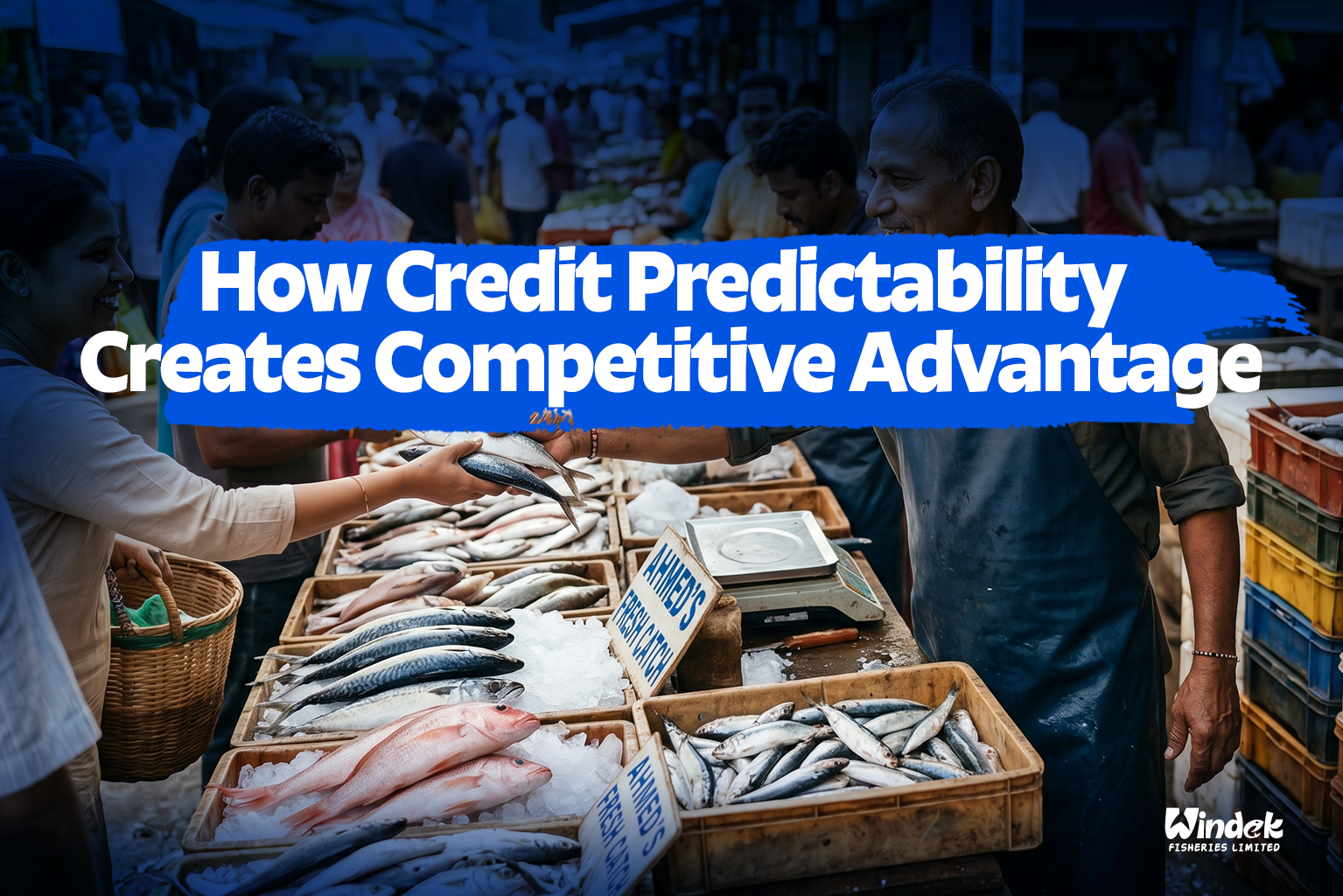
How Credit Predictability Creates Competitive Advantage
- windekfisheries
- No Comments
How Credit Predictability Creates Competitive Advantage Most business conversations about credit focus on one thing: Access. Can you get credit? How much credit can you get? What are the repayment terms? While these questions matter, they overlook something even more important: Predictability. Because in business, uncertainty is expensive. The ability to reliably plan around financing often creates a bigger competitive advantage than access to financing itself. The Difference Between Access and Predictability Many businesses have access to some form of credit. But access alone does not guarantee confidence. Consider two fish traders. Both have similar credit facilities. One never knows whether credit approvals will be delayed, terms will change, or limits will be adjusted. The other understands exactly how their financing works and can confidently plan around it. Which trader is more likely to make better decisions? The answer is obvious. Predictability improves decision-making. Why Predictability Matters in Fish Trading The seafood market moves quickly. Prices change. Supply fluctuates. Demand rises and falls. Businesses that can predict their financing position are often able to: Purchase inventory earlier Respond faster to opportunities Manage stock levels efficiently Plan growth with confidence Meanwhile, businesses operating under uncertainty often hesitate. And hesitation can be costly. The Hidden Cost of Financing Uncertainty When financing is unpredictable, several problems emerge: Delayed Purchasing Decisions Businesses postpone buying decisions while waiting for financing clarity. Missed Market Opportunities Price drops and supply opportunities may pass before action can be taken. Inventory Planning Challenges Uncertainty makes it difficult to maintain optimal stock levels. Slower Business Growth Expansion plans often remain on hold when financing cannot be reliably forecasted. None of these challenges appear immediately on financial statements. Yet over time, they significantly affect competitiveness. How Predictable Credit Improves Business Performance Reliable credit creates operational confidence. Businesses can: Plan Ahead Future purchases become easier to schedule. Improve Cash Flow Management Payment cycles can be aligned more effectively with sales cycles. Strengthen Supplier Relationships Predictable financing supports predictable payments. Capture Opportunities Faster Businesses can move quickly when favourable market conditions emerge. In competitive markets, speed often creates advantage. Why Predictability Creates Competitive Advantage Competitive advantage is often associated with: Larger capital Bigger facilities Greater market share However, many successful businesses gain an advantage through something simpler: Certainty. When management knows what financial resources will be available, strategic decisions become easier. Instead of reacting to uncertainty, businesses can proactively position themselves for growth. The Role of Structured Credit Organizations such as the International Finance Corporation consistently highlight access to reliable financing as a key driver of business growth and supply chain efficiency. The goal should not simply be obtaining credit. The goal should be building financing structures that are predictable and aligned with business operations. When that happens, credit becomes a planning tool rather than merely a funding source. A Practical Way to Think About It Access to credit helps businesses operate. Predictable credit helps businesses plan. And businesses that plan better often outperform businesses that simply react. Conclusion In fish trading, success is rarely determined by access to opportunities alone. It is determined by the ability to act when opportunities appear. Credit predictability provides that ability. It improves planning, reduces hesitation, and creates confidence across the business. Over time, those advantages compound. And that is how predictability becomes a competitive advantage. Internal Links Home: https://windekfisheries.com/ Services: https://windekfisheries.com/services/ Products: https://windekfisheries.com/products/ Blog: https://windekfisheries.com/blog/ External References International Finance Corporation – https://www.ifc.org Food and Agriculture Organization of the United Nations – https://www.fao.org
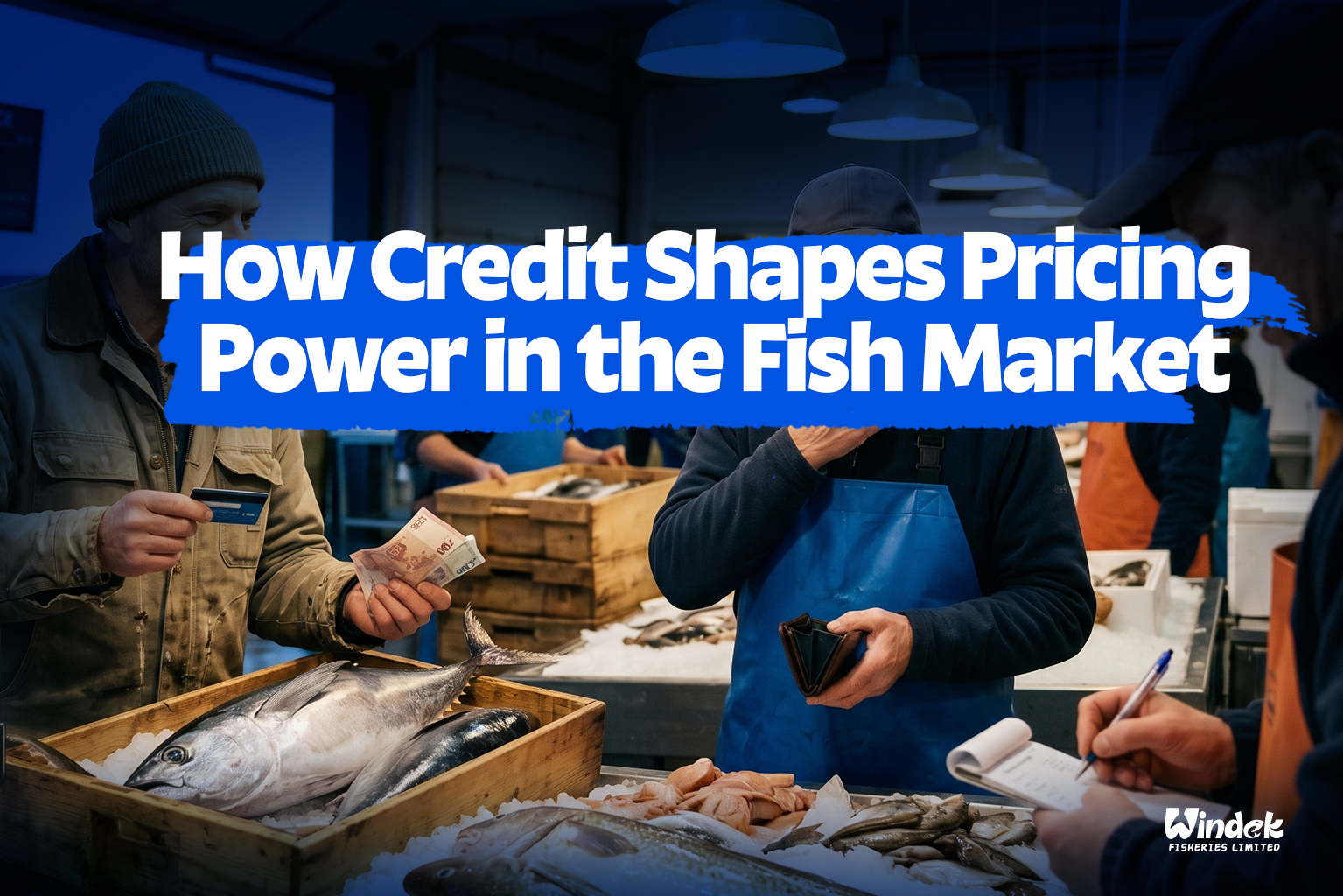
How Credit Shapes Pricing Power in the Fish Market
- windekfisheries
- No Comments
How Credit Shapes Pricing Power in the Fish Market Most people believe pricing power comes from one thing: Buying in large volumes. And while volume certainly helps, it is not the only factor that determines who gets the best prices in the fish market. Often, the real advantage comes from something less obvious: Access to credit. The ability to act quickly when opportunities appear can have a significant impact on profitability. In many cases, credit provides that advantage. Understanding Pricing Power Pricing power is the ability to purchase stock at favourable prices and maintain healthy margins when selling. Many traders assume pricing power comes from: Business size Purchasing volume Supplier relationships While these factors matter, they often depend on one critical capability: The ability to buy when market conditions are favourable. Why Timing Matters in Fish Trading Nigeria’s seafood market is highly dynamic. Prices can change due to: Supply fluctuations Import schedules Exchange rate movements Seasonal demand When prices temporarily drop, buyers have a window of opportunity. The challenge is that opportunities rarely wait for cash to become available. The Advantage of Credit Credit gives businesses flexibility. Instead of waiting for cash to accumulate, businesses can: Secure inventory immediately Lock in favourable pricing Increase purchasing capacity Position ahead of future demand This flexibility often translates directly into stronger margins. A Practical Example Imagine two fish traders. Both recognize that market prices have fallen. Both expect prices to increase within the next few weeks. The first trader has access to structured credit. The second trader must wait until sufficient cash is available. The first trader buys immediately. The second trader waits. When prices rise, the difference becomes clear. Both saw the same opportunity. Only one was positioned to act. Credit Creates Negotiating Power Suppliers value certainty. Buyers who can commit quickly often have greater leverage during negotiations. Credit helps businesses: Respond faster to supply opportunities Purchase larger quantities when needed Secure stock before competitors Reduce delays in decision-making This can strengthen negotiating positions and improve overall purchasing outcomes. The Importance of Structured Credit Not all credit creates value. Poorly managed credit can increase pressure and reduce profitability. The key is structure. Effective credit should align with: Inventory turnover Sales cycles Cash flow patterns When properly managed, credit becomes a growth tool rather than a financial burden. Why This Matters for Nigeria’s Seafood Industry The seafood industry operates on timing. Businesses that can move quickly often gain advantages that are unavailable to slower competitors. Organizations such as the International Finance Corporation have highlighted the importance of access to finance in improving supply chain efficiency and business growth. In practical terms, access to credit often determines whether businesses can capitalize on market opportunities when they appear. Conclusion Pricing power is not simply about having more money. It is about having the flexibility to act when opportunities arise. Credit does not just help businesses buy stock. It helps them buy at the right time. And in fish trading, timing often determines profitability. Internal Links Home: https://windekfisheries.com/ Services: https://windekfisheries.com/services/ Products: https://windekfisheries.com/products/ External References International Finance Corporation – https://www.ifc.org Food and Agriculture Organization of the United Nations – https://www.fao.org

The Trust Gap: Why Suppliers Hesitate Before Extending Credit
- windekfisheries
- No Comments
A supplier once said something very direct: “Selling fish is easy. Getting paid is the hard part.” That statement explains a major challenge in the seafood business. Many buyers believe access to credit depends mostly on volume or relationship history. But suppliers often look at something deeper: Can this buyer be trusted when pressure shows up? In fish trading, extending credit is not simply about moving stock. It is about managing risk. Why Suppliers Become Careful With Credit In fast-moving markets like seafood distribution, cash flow timing matters. When payments are delayed: Restocking becomes difficult Operational planning becomes unstable Supplier liquidity weakens One delayed payment can create pressure across the supply chain. This is why suppliers evaluate more than purchasing power. They evaluate payment behavior. What Suppliers Actually Look For Many buyers assume credit decisions are based on: Business size Volume purchased Years in the market While those factors matter, suppliers also pay close attention to consistency and reliability. Key Signals Suppliers Watch Communication during difficult periods Respect for agreed payment timelines Transparency around delays or challenges Overall predictability of the buyer In many cases, trust is built through repeated small actions, not large transactions. The Hidden Cost of Weak Trust When supplier confidence reduces, the effects are gradual but serious: Credit limits become smaller Access to stock becomes restricted Priority during shortages decreases Negotiation flexibility disappears The business may continue operating, but with more friction and less opportunity. Why Trust Matters More in Nigeria’s Seafood Market Nigeria’s seafood market is highly relationship-driven. Because pricing, supply availability, and import cycles can change quickly, suppliers often rely heavily on trust when deciding: Who receives flexible payment terms Who gets stock priority Who receives long-term support This makes trust a practical business asset, not just a personal quality. How Strong Buyers Build Supplier Confidence Experienced buyers understand that credit access is earned gradually. They build trust by: Maintaining consistent communication Managing expectations early Structuring agreements clearly Protecting payment credibility over time Organizations like the International Finance Corporation emphasize that predictable financial behavior improves supply chain stability and long-term business relationships. A Practical Way to Think About Credit Suppliers do not extend credit simply because buyers need it. They extend credit because they believe repayment behavior is reliable. That distinction changes everything. Conclusion In fish trading, access to credit is rarely only a financial decision. It is a confidence decision. The businesses that maintain strong supplier relationships are not just buying and selling well. They are building trust strong enough to support long-term growth. Internal Links Home: https://windekfisheries.com/ Services: https://windekfisheries.com/services/ Products: https://windekfisheries.com/products/ External Authority References International Finance Corporation – https://www.ifc.org Food and Agriculture Organization of the United Nations – https://www.fao.org

Why Reliable Frozen Fish Supply Matters for Nigeria’s Food Security
- windekfisheries
- No Comments
Frozen fish is more than just a product in Nigeria — it is a major source of affordable protein for millions of households and businesses. From local markets and restaurants to hotels and food processors, reliable access to frozen fish plays a critical role in the country’s food system. However, inconsistent supply chains, weak cold storage infrastructure, and logistics challenges continue to affect availability across many parts of Nigeria. At Windek Fisheries, we believe that strengthening frozen fish distribution is essential to improving food security and supporting business growth nationwide. The Growing Demand for Frozen Fish in Nigeria Nigeria’s population continues to grow rapidly, increasing the demand for affordable protein sources. Frozen fish remains one of the most accessible options because it is: Widely consumed across households More affordable than many other protein sources Essential for restaurants and food businesses According to the Food and Agriculture Organization (FAO), improving food supply systems is key to ensuring long-term food security in developing economies. Challenges Affecting Frozen Fish Supply in Nigeria Despite high demand, several challenges continue to impact frozen fish distribution across Nigeria: Weak Cold Chain Infrastructure Without reliable cold storage and transportation systems, frozen fish can lose quality before reaching customers. Supply Chain Disruptions Inconsistent sourcing and poor logistics planning often lead to shortages in the market. Rising Operational Costs Transportation, storage, and energy costs continue to affect distribution efficiency. Limited Trust Within the Supply Chain Suppliers and distributors sometimes struggle with payment delays and unreliable partnerships. These issues contribute directly to fluctuations in frozen fish availability and pricing. How Windek Fisheries Supports Reliable Frozen Fish Supply At Windek Fisheries, we focus on building systems that improve reliability across the frozen fish supply chain. Strong Distribution Network We maintain structured sourcing and distribution processes to ensure frozen fish remains available for businesses and consumers. Learn more about our logistics and distribution solutions on the Services page. Cold Chain Logistics and Storage Maintaining proper temperature control is essential for preserving product quality. Our operations prioritize: Proper cold storage systems Controlled transportation Reduced spoilage and waste Long-Term Supplier Partnerships We believe strong supplier relationships create more stable supply systems. By operating transparently and maintaining reliable partnerships, Windek Fisheries helps improve consistency across the frozen fish market. Read more about our mission and operations on the About Us page. Why Reliable Frozen Fish Supply Improves Food Security A stable frozen fish supply chain benefits everyone: Households gain access to affordable protein Businesses experience fewer supply disruptions Retailers can plan inventory more effectively Food waste is reduced through proper cold chain systems According to the World Bank, stronger food logistics systems are critical for improving food availability and reducing waste. The Future of Frozen Fish Distribution in Nigeria As demand for frozen protein continues to rise, Nigeria will require stronger cold chain systems, improved logistics infrastructure, and more reliable supplier partnerships. Windek Fisheries is committed to contributing to this growth by: Strengthening distribution efficiency Expanding reliable supply systems Supporting food businesses nationwide Improving cold chain logistics standards For industry updates and insights, visit our Blog. Partner With Windek Fisheries If you are looking for a reliable frozen fish distributor in Nigeria, Windek Fisheries is ready to support your business with dependable supply and professional logistics solutions. Website: https://www.windekfisheries.comPhone: 08066152861 For inquiries, visit our Contact page.For opportunities to join our team, visit Careers

The Cash Flow Illusion: Why Profit on Paper Doesn’t Mean You Can Pay Your Suppliers
- windekfisheries
- No Comments
Many fish businesses appear profitable on paper. Sales are strong. Margins look healthy. Yet, when it’s time to pay suppliers, cash is not available. This is one of the most common and misunderstood challenges in fish trading. Profit vs Cash Flow: Understanding the Difference Profit represents the difference between revenue and expenses. Cash flow reflects how money actually moves in and out of the business. They are not the same. A business can be profitable but still experience cash shortages. Where Cash Gets Stuck In fish trading, cash is often tied up in: Unsold inventory Customer credit Operating expenses This creates a delay between making a sale and receiving actual cash. The Impact on Operations When cash is not available: Suppliers cannot be paid on time Stock cannot be replenished quickly Market opportunities are missed This slows down business growth. Why It Matters in Nigeria’s Seafood Market The seafood market is fast-moving and timing-driven. Opportunities depend on: Supply availability Pricing changes Demand cycles Without liquidity, businesses cannot respond effectively. How to Improve Cash Flow To reduce pressure: Align purchases with real cash inflow Structure customer payments properly Monitor inventory turnover closely Use credit strategically, not casually Conclusion Sales and profit are important. But cash flow determines whether a business can operate effectively. Understanding this difference helps businesses remain stable and competitive.
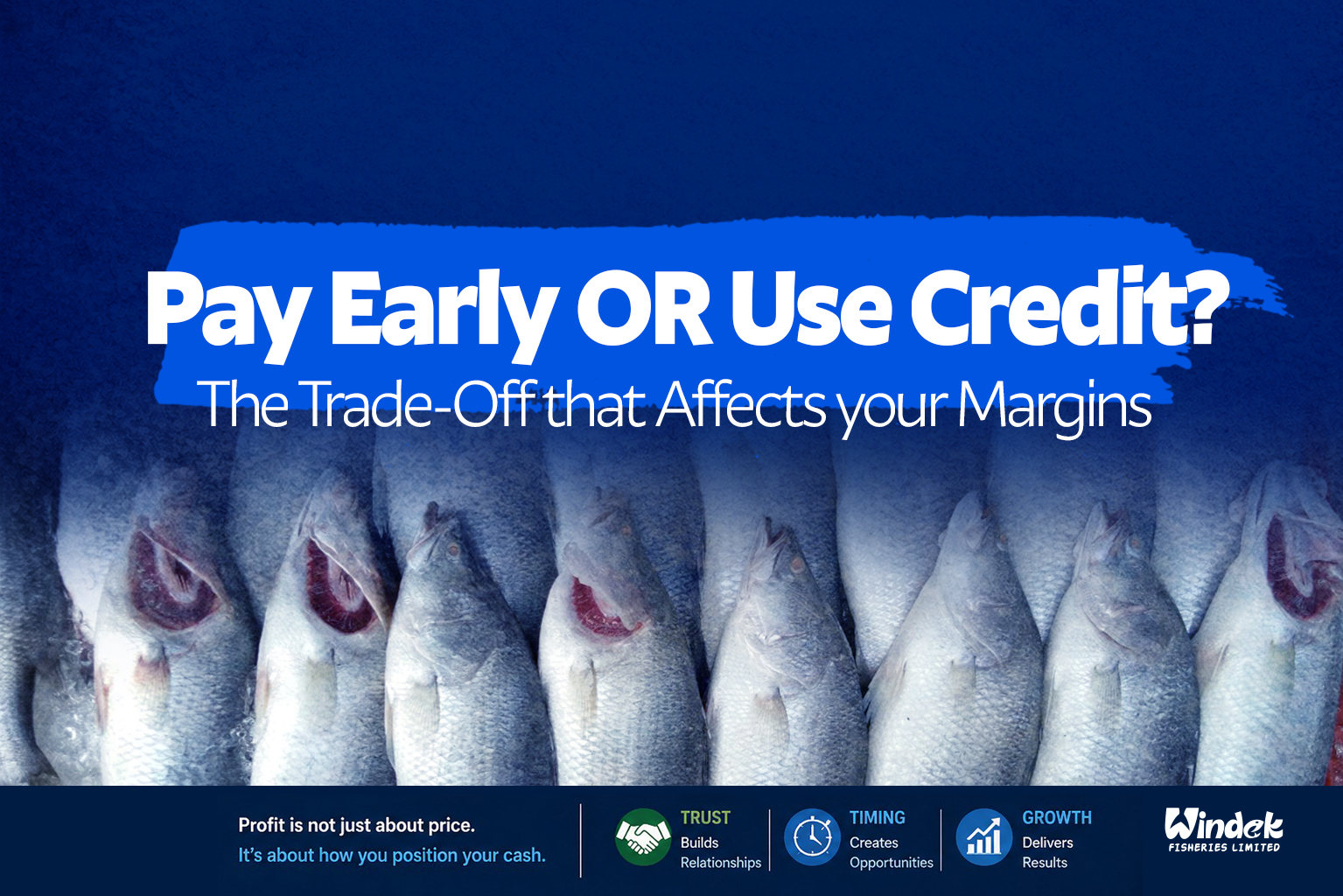
The Trade-Off Between Paying Early and Using Credit in Fish Trading
- windekfisheries
- No Comments
In fish trading, one decision quietly affects profitability more than most people realize: Should you pay early or use credit? At first glance, the answer seems simple. Paying early feels safe.Using credit feels risky. But in reality, both approaches serve different purposes, and choosing the wrong one at the wrong time can limit growth or reduce margins. A Common Scenario in the Market Two buyers approach the same opportunity. One pays early, secures stock, and keeps the transaction simple. The other uses structured credit, keeps cash available, and buys more volume when needed. Weeks later, the market shifts. Prices move. Demand changes. The outcome between the two buyers is often very different. Not because one is smarter. But because they made different financial decisions. What Paying Early Actually Does Paying early is often associated with discipline and reliability. It offers several advantages: Builds stronger supplier trust Improves access to stock Simplifies transactions Reduces financial pressure In many cases, suppliers prefer buyers who pay early because it reduces uncertainty. When Paying Early Makes Sense When building or strengthening supplier relationships When securing priority during limited supply When minimizing financial risk is the goal Paying early creates stability. The Hidden Limitation of Paying Early Despite its benefits, paying early has a cost that is often overlooked. Once payment is made: Cash is no longer available Flexibility is reduced Opportunities may be missed For example: If prices drop after you’ve paid, you cannot easily buy more If demand increases, your ability to scale quickly is limited The cost is not visible immediately. But it shows up in missed timing advantages. What Using Credit Actually Does Credit allows you to operate differently. Instead of locking your cash, it gives you room to move. Benefits of Using Credit Keeps liquidity available Allows larger or more frequent purchases Aligns payment with actual sales cycles Improves responsiveness to market changes In a dynamic market like seafood, timing can significantly impact profitability. Credit enables you to act when opportunities arise. The Risk of Using Credit Incorrectly The biggest misconception is that credit itself is the risk. The real risk is unstructured credit. When credit lacks clear terms: Payment timelines become uncertain Supplier confidence weakens Future supply becomes unstable Organizations like the International Finance Corporation emphasize that structured financing systems improve business performance across supply chains. What Structured Credit Looks Like Defined repayment timelines Alignment with sales cycles Clear communication between buyer and supplier With structure, credit becomes predictable and manageable. Cash vs Credit: A Strategic Perspective The most successful fish traders do not rely on one method alone. They use both, depending on the situation. Use Cash When: You want to build trust quickly You need transaction simplicity Market conditions are uncertain Use Credit When: Timing is critical Opportunities require fast action You want to scale beyond available cash This approach creates balance between control and flexibility. A Simple Decision Framework Before deciding, ask: Is this a relationship decision or a market opportunity? Do I need liquidity or priority right now? What is likely to happen in the next few weeks? These questions help align your payment strategy with market conditions. Why This Matters in Nigeria’s Seafood Market Nigeria’s seafood market is influenced by: Import cycles Exchange rate fluctuations Supply availability Demand surges In such an environment, timing plays a major role. Relying only on cash can limit growth. Relying only on credit can increase risk. The advantage comes from knowing when to use each. A Practical Way to Think About It Cash builds trust. Credit creates opportunity. Both are necessary for long-term success. Conclusion The question is not whether to pay early or use credit. The real question is: What does the situation require right now? Paying early strengthens relationships and reduces risk. Using credit, when structured properly, improves flexibility and positioning. The most successful businesses are not choosing one over the other. They are using both strategically. Internal Links Home: https://windekfisheries.com/ Services: https://windekfisheries.com/services/ Products: https://windekfisheries.com/products/ External Authority Reference International Finance Corporation – https://www.ifc.org

The Cost of Saying “I’ll Pay Later” Without a Clear Plan
- windekfisheries
- No Comments
“I’ll pay later.” It sounds simple. Flexible. Convenient. In many fish trading relationships, this phrase is common. It often reflects trust between buyers and suppliers. But over time, it can become one of the most expensive decisions a business makes. Not because credit is bad. But because credit without a clear plan creates hidden costs. Where It Begins In the early stages, everything works. Stock moves. Sales happen.There is mutual understanding. Payment is expected later, but: No exact timeline is defined No structure is agreed No alignment with actual sales cycles exists At this point, the arrangement feels easy. But the risk is already building. When “Later” Becomes a Problem As the business operates, small pressures begin to appear: Sales fluctuate Cash flow becomes uneven Expenses compete for available funds Without a defined payment plan, “later” becomes uncertain. And uncertainty is where problems begin. The Real Issue Is Not Credit It is important to be clear: Credit itself is not the problem. In fact, across global value chains, organizations like the International Finance Corporation highlight structured financing as a key driver of business growth. The real issue is unstructured credit. When there is no clarity: Payment timelines become unclear Supplier confidence reduces Future supply becomes unstable The Hidden Costs of Unstructured Credit These costs are rarely recorded as direct losses. Instead, they appear gradually: Payment delays create tension Suppliers reduce supply or become cautious Buying opportunities are missed Relationships weaken over time Nothing fails immediately. But efficiency drops and growth slows. The Ripple Effect on Your Business One unclear credit arrangement affects more than a single transaction. It impacts: Your ability to restock consistently Your credibility with suppliers Your negotiating power Your access to future credit In a market where timing is critical, these limitations reduce competitiveness. Why Structure Changes Everything When credit is structured properly, outcomes improve significantly. Structure introduces: Defined payment timelines Alignment with actual sales cycles Clear communication between both parties With these in place: Pressure reduces Planning improves Trust becomes predictable Credit becomes a system, not a source of stress. A Practical Way to Think About It Credit should not be based on assumption. It should be based on agreement. A simple principle: If you cannot define when you will pay,you will eventually struggle with how to pay. Why This Matters in Nigeria’s Seafood Market In Nigeria’s seafood market, where supply cycles, pricing, and demand can shift quickly, structured credit plays a critical role. It allows businesses to: Maintain steady supply Manage cash flow effectively Build long-term supplier relationships Without structure, even profitable businesses can experience instability. Conclusion “I’ll pay later” may sound harmless. But without a clear plan, it creates hidden costs that affect: Profitability Relationships Growth potential The businesses that succeed are not just those with access to credit. They are the ones that use credit with structure and discipline. Internal Links Home: https://windekfisheries.com/ Services: https://windekfisheries.com/services/ Products: https://windekfisheries.com/products/ External Authority Reference International Finance Corporation – https://www.ifc.org
